Cutting width is the width of the strip a mower cuts in a single pass. It is one of the first numbers on any mower specification, but it does not tell the whole story. This article explains what it means and what else to look at alongside it.
What Cutting Width Tells You
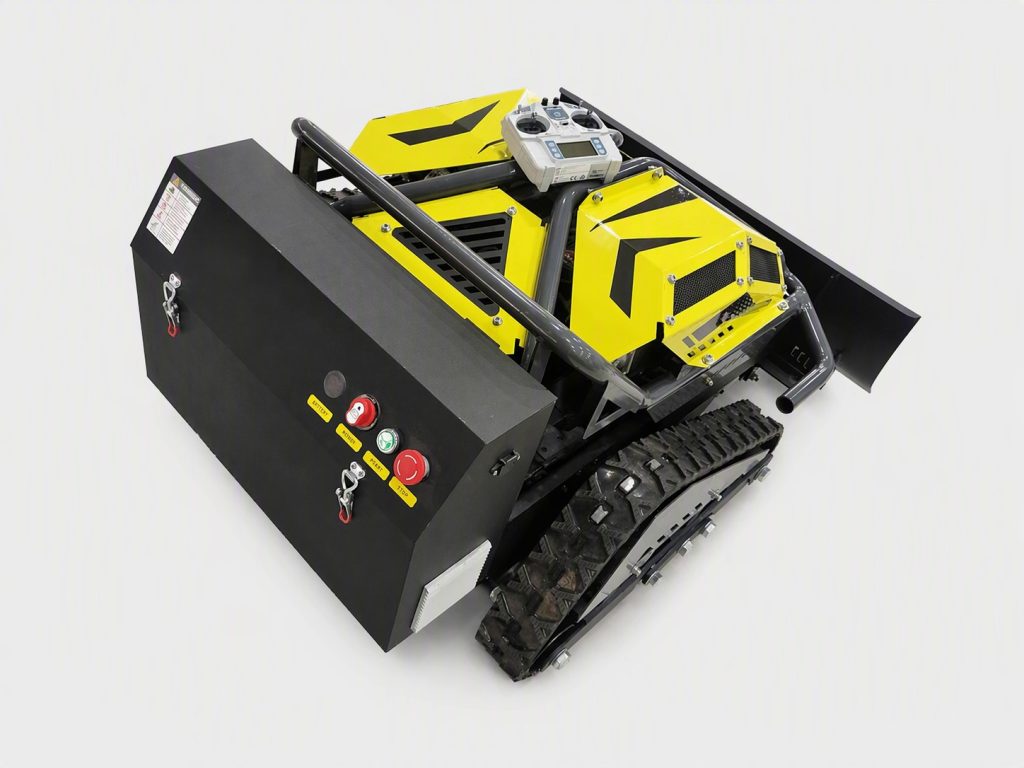
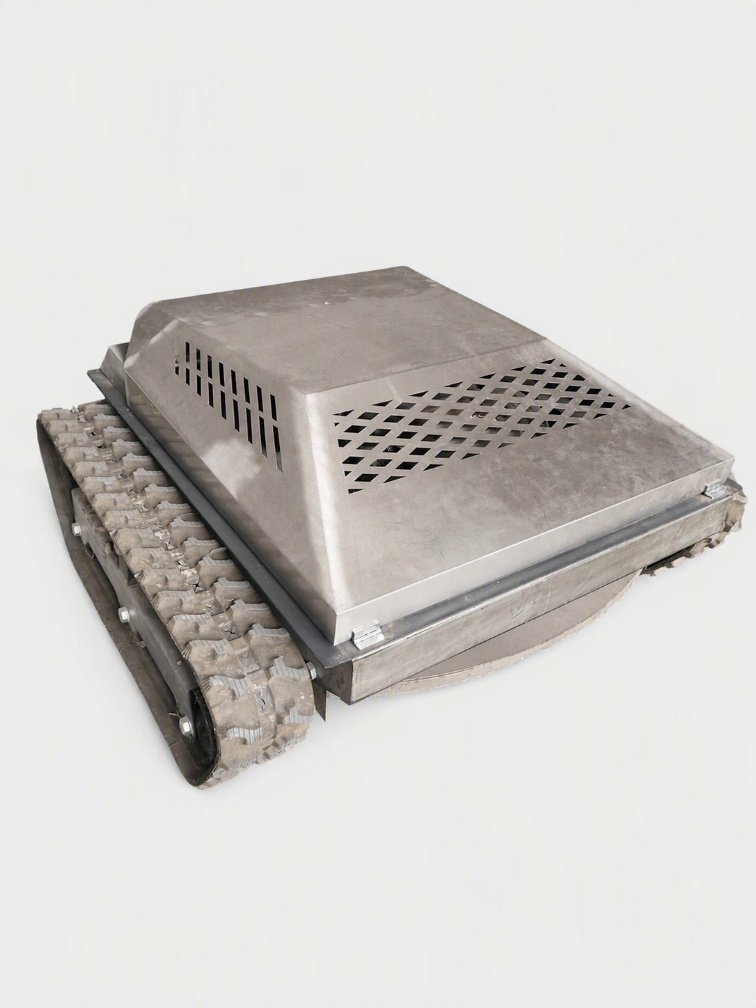
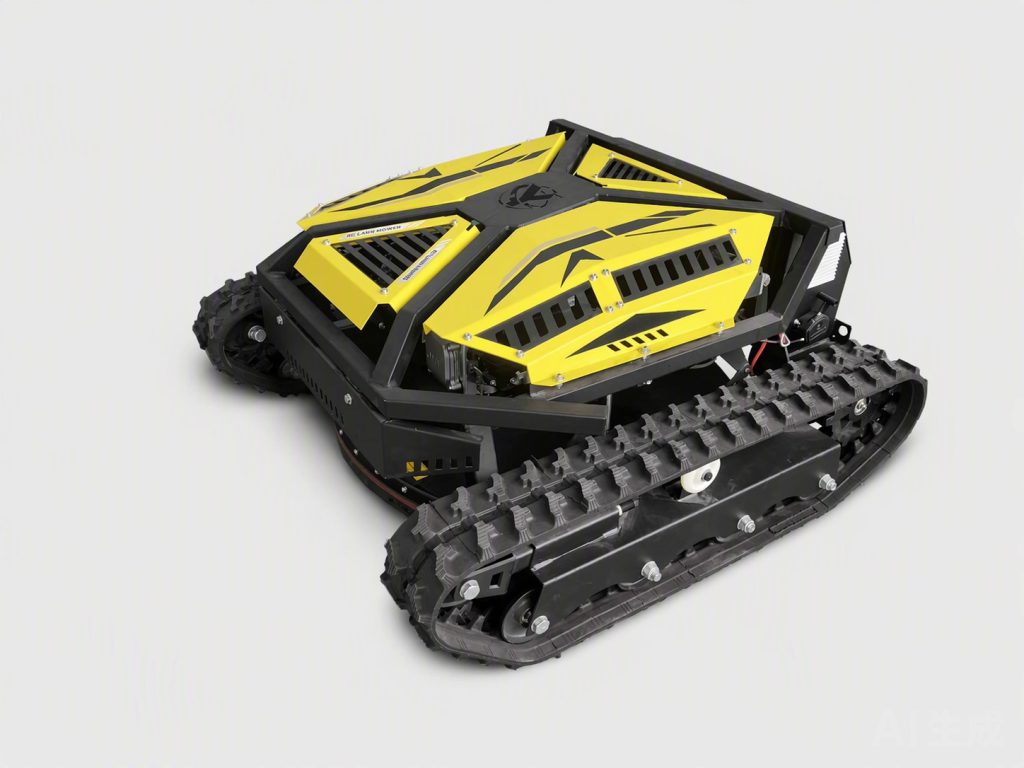
A wider deck covers more ground per pass, so fewer passes are needed to finish an area. WEILIN remote-control mowers are offered at 500 mm, 600 mm, 900 mm and 1,000 mm cutting widths.
Cutting Width and Work Rate
WEILIN lists approximate work rates for each model: about 1,300 m²/h at 500 mm (YL225-55A-24V), about 2,700 m²/h at 600 mm (YL452-60-24V) and 900 mm (YL452-90), and about 3,300 m²/h at 1,000 mm (YL608-100-48V and YL608-100 SS). These figures show that work rate does not scale in a straight line with width. Engine power, travel speed and conditions on site also play a part.
What Changes as the Deck Gets Wider
- Weight: listed weights rise from 198 kg (500 mm) to 230 kg (600 mm), 325 kg (900 mm) and 345 kg (1,000 mm).
- Size and transport: larger machines need more room to turn, store and load.
- Engine: the range steps from a 225 cc Loncin engine up to 452 cc and 608 cc engines.
Choosing a Width for Your Site
Small, tight areas such as vineyards, nurseries and roof greening are typically a match for narrower machines. Orchards, parks and amenity sites suit 900 mm. Large acreage, roadsides and solar-park vegetation control are where the 1,000 mm models are positioned.
For a broader walk-through, read our guide on how to choose a remote-control lawn mower.
Specifications are quoted from the WEILIN product pages; the full specification sheet is supplied with each quotation.
Next Step
Want to compare two models for your site? Send us your application details and our team will help you explore suitable machinery options.